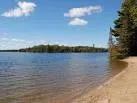
Camping and lodging reservations for Minnesota state parks and recreation areas are available 120 days in advance, meaning reservations for early July are now open. For those who plan to camp this summer, the Minnesota Department of Natural Resources is sharing some helpful tips.
Start by finding the right location
First, decide whether camping in a state park, recreation area or forest is the best fit for your experience level and the type of trip you want, as there are key differences in the amenities, programming and ability to make reservations depending on which you choose.
While amenities and programming also vary by specific location, campgrounds in state parks and recreation areas generally offer more modern facilities with showers, flush toilets, optional electric hook ups, with access to rental equipment, visitor centers and naturalist-led programs. Some state parks and recreation areas also offer additional lodging options like fully outfitted cabins, guesthouses, and more basic camper cabins.
State forests, on the other hand, offer more of a rustic camping experience. Forest campgrounds are a great option for people who like spur-of-the-moment trips. Unlike state park campsites, visitors don’t need a reservation for state forest camping.
Campers looking for a park or recreation area can use the ParkFinder (mndnr.gov/parkfinder) to find a location with the recreation opportunities, amenities and facilities they’re looking for. Forest campers can check the list of state forests (mndnr.gov/state_forests/list.html) to find locations with campgrounds.
Understand the differences between types of campsites
Minnesota state parks, recreation areas and forests offer a variety of types of camping and lodging.
The most common option is drive-in camping where campers park right at the campsite. Some drive-in campsites in state parks offer electric hook ups, and a small number of locations offer full hook ups with water and sewer. Campers with recreational vehicles should look for information on the reservation website about the length of the parking pad at a campsite to ensure their rig will fit.
Those looking for more rugged options should check out walk-in, cart-in and backcountry campsites. Walk-in and cart-in campsites are a half mile or less from parking. At cart-in sites, visitors can use provided carts to move gear from the parking area to a campsite. Backcountry campsites are half a mile or more away from parking. Backpack campsites, also called hike-in campsites, are the most common of the backcountry options; but some backcountry campsites are accessible by water or bike.
There are 12 state parks and six state forests for visitors interested in horse camping or other equestrian activities. These locations offer additional amenities like hitching rails or high lines and manure bins to serve campers with horses.
Camper cabins, guest houses and lodges are also available at many state parks and recreation areas.
To see all the campsite types and the amenities in state parks and recreation areas, visit the DNR camping and lodging webpage (mndnr.gov/state_parks/stay_overnight).
In state forests, all established campsites in designated campgrounds are drive-in sites, but none offer electric or water and sewer hook ups. Dispersed camping, or camping outside a developed campground, is allowed in state forests for campers who want a true wilderness experience without amenities. More details are on the DNR dispersed camping webpage (mndnr.gov/state_forests/dispersed-camping.html).
Book reservations early
Campers need a reservation to stay in a state park or recreation area. The DNR recommends visitors identify dates they’d like to travel and mark their calendar 120 days before they want to arrive for their trip as a reminder to reserve a site. Reservations are in high demand for weekends, campsites with electric hookups and at the most popular parks. Campers can reserve sites online at mndnr.gov/reservations or by phone at 866-857-2757. Visitors pay camping fees when they make a reservation.
Overnight guests need a state park vehicle permit in addition to a camping or lodging reservation. They can buy a permit at the time a reservation is made, online anytime at mndnr.gov/permit or upon arrival on site. Daily permits are $7 and a year-round permit that’s good for 12 months from date of purchase is $35.
What to do if reservations are full
If reservations are full for a visitor’s preferred location and dates, the DNR has five suggestions:
Sign up for the “notify me” function on the reservation website to get alerted by email if there’s a cancellation that meets the search criteria.
Look for open reservations at less busy parks. There are 73 state parks and recreation areas across the state, and many of them have camping reservations available regularly.
Consider a camping trip on weekdays instead of weekends, which are busier.
Look for a non-electric campsite if electricity is not a must-have amenity.
Consider state forest campgrounds, which don’t require a reservation.
What to do if plans change
If a visitor makes a reservation and then plans change, they can modify or cancel on the reservations website (mndnr.gov/reservations) or via phone at 866-857-2757. Campers who won’t be able to use their reservation and can’t move their reservation to another date are strongly encouraged to cancel. Cancellation provides a full or partial refund, and also opens those campsites to others. There is no cancellation fee for reservations canceled 14 or more days prior to the scheduled arrival.
Maximize the fun in the trip
The reservation is made, and excitement is building. To make the most of the trip:
Start planning fun activities for the trip. The DNR offers an online summer activity guide with information on a variety of recreation opportunities in state parks and recreation areas, including biking, birding, swimming, tours, fishing, paddling and more. Plan camping trip activities at mndnr.gov/summerguide.
Pack appropriately. Make a list of essential gear. This might include a tent, bedding, cooking items, food, water, clothing, sunscreen, insect repellent and a first aid kit. Test gear before the trip to make it’s in working order and fits appropriately. Be sure to check the weather forecast leading up to the trip when determining the right clothing and footwear.
Make a timely arrival. DNR has a no-show policy at parks and recreation areas to help ensure campsites don’t sit empty. Overnight guests who haven’t checked in or occupied their campsite or lodging by 11 a.m. on the morning after their reservation started will have their reservation canceled with no refund. The campsite or lodging goes back into the inventory so it’s available to other guests.




Comments