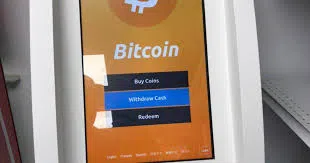
graphic credit CBS News
By Mike Moen
ST. PAUL, Minn. (Public News Service) – Minnesota is part of a nationwide push to crack down on scams targeting people through cryptocurrency kiosks.
Lawmakers, police chiefs and consumer advocates said recent policy moves are not enough, leading to a proposed statewide ban on crypto automatic teller machines. Another legislative hearing was expected this week on a bill to prohibit electronic kiosks handling virtual currency transactions.
The licensed ATMs have popped up in gas stations and other retailers, with about 350 in Minnesota. In 2024, the state adopted tighter rules.
Thomas Elness, advocacy manager for AARP Minnesota, said imposters are still finding ways to work around those laws and are pressuring people to deposit a lot of money when hearing threatening verbal commands.
“‘Your grandson was in a car accident and needs money.’ Or, ‘The city said we’re going to shut off your water if you don’t deliver money in the next hour to this machine,'” Elness cited as examples. “People are shoveling $100 bills into these kiosks and it’s going to scammers, never to be seen again.”
AARP said a grandfather from St. Paul lost nearly $9,000 in one recent scam. Elness stressed they are not against cryptocurrency but the group wants common sense safeguards and is backing the latest plan. The bill has bipartisan support but some lawmakers want to hear more about prevention efforts from industry partners. An official from a major kiosk operator testified against the bill, saying a ban will not make scams disappear.
Brandon Silgjord, chief of police in Sartell, said after his central Minnesota city got a crypto kiosk, it became a vessel for scammers to lure unsuspecting residents into handing over their money. The financial hardship for the victim is the most upsetting and Silgjord added police have to use manpower on an almost unsolvable crime.
“We do want to try, and usually it’s all done in vain because we can’t recover the funds in any way or even identify a reasonable suspect that we could maybe track down,” Silgjord explained.
He noted even when they can somehow trace the funds, they are moved around multiple times into an overseas digital wallet. According to FBI data, cryptocurrency kiosks were used in scams leading to more than $333 million in reported losses last year.




Comments