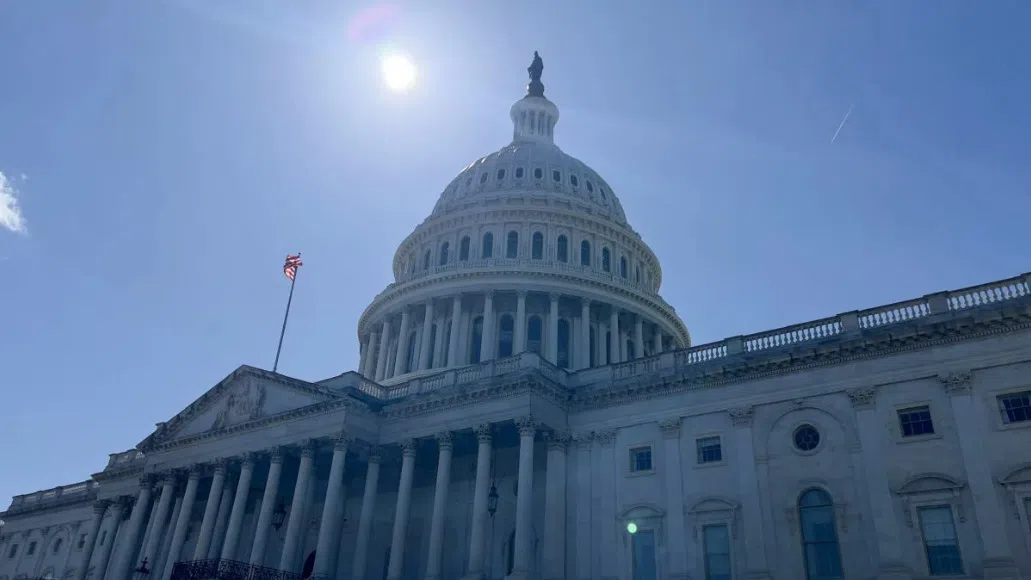
photo credit: AFBF photo, Mike Tomko
National Farmers Union President Rob Larew made the following statement after the passage of the budget reconciliation bill in the House and Senate.
“We appreciate the efforts of the House and Senate Agriculture Committees to include long-overdue investments for family farmers and ranchers in this legislation. The bill strengthens the farm safety net, supports biofuels and conservation, and extends key tax incentives that help keep family farm operations viable. These wins reflect persistent advocacy from our Farmers Union members across the country, who raised their voices during our Week of Action in May.
“However, these gains are paired with harmful tradeoffs. Cuts to SNAP divide the farm bill coalition and reductions in Medicaid will have harmful effects on millions of Americans. Farm policy should unite us. This approach undermines the foundation of the farm bill and puts its future at risk.
“Now, we urge lawmakers to build on these investments and finish the job. A comprehensive farm bill policy is still urgently needed, one that strengthens rural communities, ensures fair markets, and reflects the full scope of challenges facing today’s farm families. We look forward to continuing our work with both House and Senate leaders to get this done.”
American Farm Bureau Federation President Zippy Duvall commented today on final passage of the One Big Beautiful Bill Act.
“Farm Bureau applauds the House and Senate for passing legislation that will bring certainty to America’s farmers and ranchers. Modernizing important farm safety net programs and making permanent critical tax provisions could be the difference between staying in business or shutting down the family farm.
“More than half of farmers are losing money, so an increase in reference prices is desperately needed, and tax tools will help farmers and ranchers plan for the next season and the next generation.
“Lawmakers took a big step toward ensuring America’s farmers and ranchers can continue to keep pantries filled for America’s families.”
Chuck Conner, President and CEO of the National Council of Farmer Cooperatives praised lawmakers for passing the budget bill.
“With this bill now headed to the president’s desk, Congress has taken decisive action to prevent a massive tax increase on agriculture—an increase that would have exceeded more than $2 billion had Section 199A been allowed to expire,” said Conner. “Making Section 199A permanent ensures that farmer-owned cooperatives and the producers who rely on them are treated fairly in the tax code.”
“This is a vital step forward in safeguarding the cooperative model—a model that keeps more value in rural communities, strengthens the family farm, and supports a resilient agricultural economy,” Conner said. “Congress has demonstrated that it understands what’s at stake for rural America.”
NCFC also recognized Congress for extending other key tax provisions in the bill, including Section 179 expensing and the clean fuel production credit under Section 45Z. These measures provide co-ops and producers with long-term incentives to invest in innovation, infrastructure, and sustainability.
North Dakota Farmers Union President Mark Watne called the budget reconciliation package passed today by Congress “a mixed bag.”
“There is a lot of good in the ‘One Big Beautiful Bill Act’ that will strengthen the farm safety net. We appreciate the improvements made to farm programs and tax provisions impacting agriculture and farmer-owned cooperatives,” he said.
Farm bill provisions that NDFU worked hard to achieve include an increase in commodity reference prices to better reflect the cost of production, improved crop insurance support, improvements to livestock disaster programs, and a permanent pass-through tax deduction, Sec. 199A(g), to maintain equity for farmer-owned cooperatives.
However, Watne said federal funding cuts to programs such as SNAP (Supplemental Nutrition Assistance Program) run counterintuitive to farmers and ranchers who are in the business of feeding people.
“Big picture, the legislation and the reconciliation process sets a dangerous precedent in the way we draft future farm bills,” he said.
The budget reconciliation process that was used to draft farm bill provisions circumvented regular order, Watne said. “There was less opportunity to debate the merits and challenges of programs and draft bipartisan legislation that fits the needs of urban and rural voters as the farm bill is more than just farm policy. It is a food security act for our nation.”
“There are meaningful wins in this legislation,” he said. “But you can have wins that cause the future to be challenging, especially when farm programs are crafted without rural-urban coalitions and become partisan.”
National Cattlemen’s Beef Association Senior Vice President of Government Affairs Ethan Lane issued a statement on the final passage of the One Big Beautiful Bill:
“America’s cattle farmers and ranchers are pleased by the final passage of the One Big Beautiful Bill. This legislation will protect family farmers and ranchers from the devastation of the Death Tax, it will avoid a massive year-end tax hike that could have put cattle operations out of business, it expands and protects many of the small business tax deductions that family producers rely on to save more of the hard-earned money, and it funds critical foreign animal disease prevention measures that protect cattle health.”



Comments